Nitsa Techno Scene: Why London’s Underground Music Hub Draws Global Fans
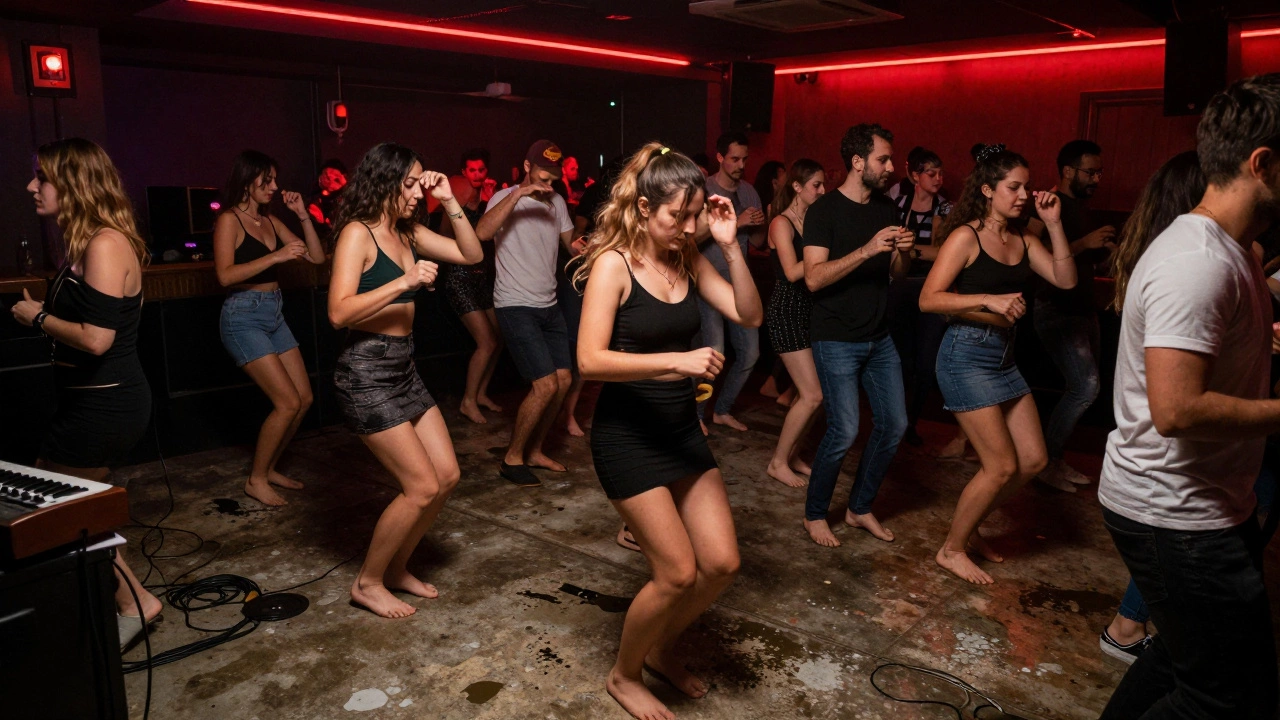
Nitsa isn’t just a club. It’s a pulse. A low, throbbing heartbeat that vibrates through the concrete floors of an old warehouse in East London, drawing techno purists from Berlin, Tokyo, and beyond. On any given Friday night, the air smells like sweat, spilled beer, and the faint metallic tang of analog synths warming up. No neon signs. No bouncers in suits. Just a single flickering bulb above the door and a line of people who’ve waited hours just to hear the next track. This is where techno isn’t entertainment-it’s religion.
If you’ve ever scrolled through late-night Instagram reels of people dancing under strobes in dimly lit basements, you might’ve seen someone tag girls escort in london as part of their night out. It’s a strange contrast-glamour and grit coexisting-but in London, the lines between nightlife, identity, and subculture blur more than anywhere else. Some come for the music. Others come for the atmosphere. A few come for both.
The Sound That Keeps Nitsa Alive
Nitsa’s sound isn’t curated. It’s cultivated. The resident DJs don’t play trending tracks from Spotify playlists. They play records pulled from crates that have been passed down since the ’90s. Tracks from artists like Ellen Allien, Terrence Dixon, and Basic Channel aren’t just played-they’re treated like artifacts. The sound system? A custom-built setup by a local engineer who once worked on Berlin’s Berghain rig. It doesn’t just play bass-it *moves* you. People describe feeling it in their ribs, their teeth, their bones. One regular, a 68-year-old retired engineer from Prague, says he comes every month because it’s the only place left where he can hear sound the way it was meant to be heard: raw, unfiltered, alive.
Why London? Not Just the City-The Culture
London’s techno scene didn’t grow out of fashion. It grew out of necessity. After the 2010s crackdown on underground venues, clubs either shut down or went fully legal-and with legal came rules, curfews, and cover charges. Nitsa stayed underground by being invisible. No website. No social media. Just a WhatsApp group that updates every Thursday at 8 p.m. with the location. The address changes weekly. You get it only if you’ve been before. It’s not exclusive. It’s *earned*.
This isn’t about VIP tables or bottle service. It’s about the people who show up with no phone, no expectations, and no plan. That’s why it draws people from all over Europe. You’ll find students from Rotterdam, retired DJs from Marseille, and even a few tech workers from Shoreditch who come here to forget their Slack notifications. The crowd doesn’t care where you’re from. They care if you move with the music.

The Visual Language of Nitsa
You won’t find branded merch or logoed T-shirts here. The only visual identity is the lighting: a single red LED strip that runs along the ceiling, synced to the kick drum. The floor is concrete, stained with years of spilled drinks and shoe scuffs. There’s no bar with a menu-just a single cooler with bottled water and a few cans of cheap lager. The bathrooms? Two stalls, no locks, always occupied. It’s not designed for comfort. It’s designed for surrender.
And yet, people return. Not because it’s luxurious. Because it’s real. In a world where every club tries to be Instagrammable, Nitsa refuses to be photographed. Cameras are banned. No selfies. No live streams. The experience is meant to be lived, not shared.
Who Shows Up? The Real Faces Behind the Beat
It’s not just techno fans. It’s artists, coders, nurses, teachers, ex-cons, poets, and one woman who runs a bakery in Peckham and comes here every third Saturday just to dance for three hours straight. She told me once, "I don’t come to escape my life. I come to remember what it feels like to be in my body."
You’ll see men in hoodies, women in leather jackets, non-binary folks in glitter and combat boots. There’s no dress code. No gatekeeping. Just a shared understanding: if you’re here, you’re part of it. And if you’re not feeling it? No one will ask you to leave. You’ll just fade into the crowd and disappear.

The Hidden Rules of Nitsa
There are no posted rules. But everyone knows them:
- Don’t talk during the set. Not even to your friend.
- Don’t leave your bag near the speakers. Someone will move it.
- If you’re dancing too hard and bumping into someone, stop. Apologize. Keep going.
- Never ask for the DJ’s name. If they want you to know, they’ll tell you.
- If you see someone crying in the corner? Don’t ask why. Just hand them water.
These aren’t rules. They’re rituals.
Why This Matters Now
In 2025, with AI-generated playlists dominating streaming services and algorithm-driven festivals selling out in seconds, Nitsa stands as a quiet rebellion. It’s not about popularity. It’s about presence. It’s not about being seen. It’s about being felt.
There’s a reason why people fly in from other countries just to spend one night here. It’s not the music alone. It’s the space it creates-a place where time slows down, where identity dissolves, where you’re not a customer, a follower, or a client. You’re just a body moving with a rhythm older than most of us.
And if you’ve ever wondered what real underground culture looks like in 2025? Go to Nitsa. Not to post about it. Not to check it off a list. But to let it change you.
Some say London’s nightlife is dead. They’re wrong. It just moved underground. And if you know where to look, you’ll find it-thumping, breathing, alive.
Just don’t tell too many people. Or it won’t be yours anymore.
For those who need a break from the grind and crave a different kind of connection, sexy london girls escort is sometimes mentioned in the same breath as underground scenes-though the two worlds rarely overlap. One offers escape through sound. The other, through touch. Both, in their own way, respond to a deeper need.
By the time you leave Nitsa, you won’t remember the name of the DJ. You won’t remember the track that made you cry. But you’ll remember how your body felt when the bass hit just right. That’s the kind of memory that lasts.
And if you’re looking for something more… intimate? euro escort london is another layer of the city’s complex social fabric-separate, but not unrelated. Both exist because people are searching for connection in places where it’s hard to find.